
By Chris Rugaber, Aamer Madhani & Josh Boak
China is the hardest hit of more than a dozen trading partners affected by the new wave of proposed levies.
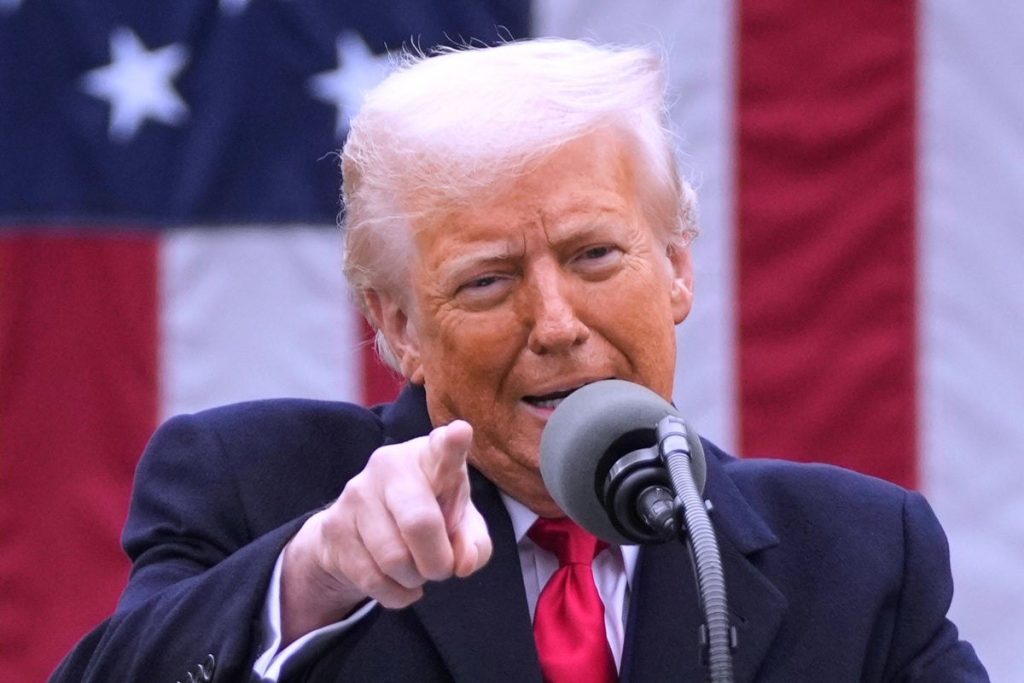
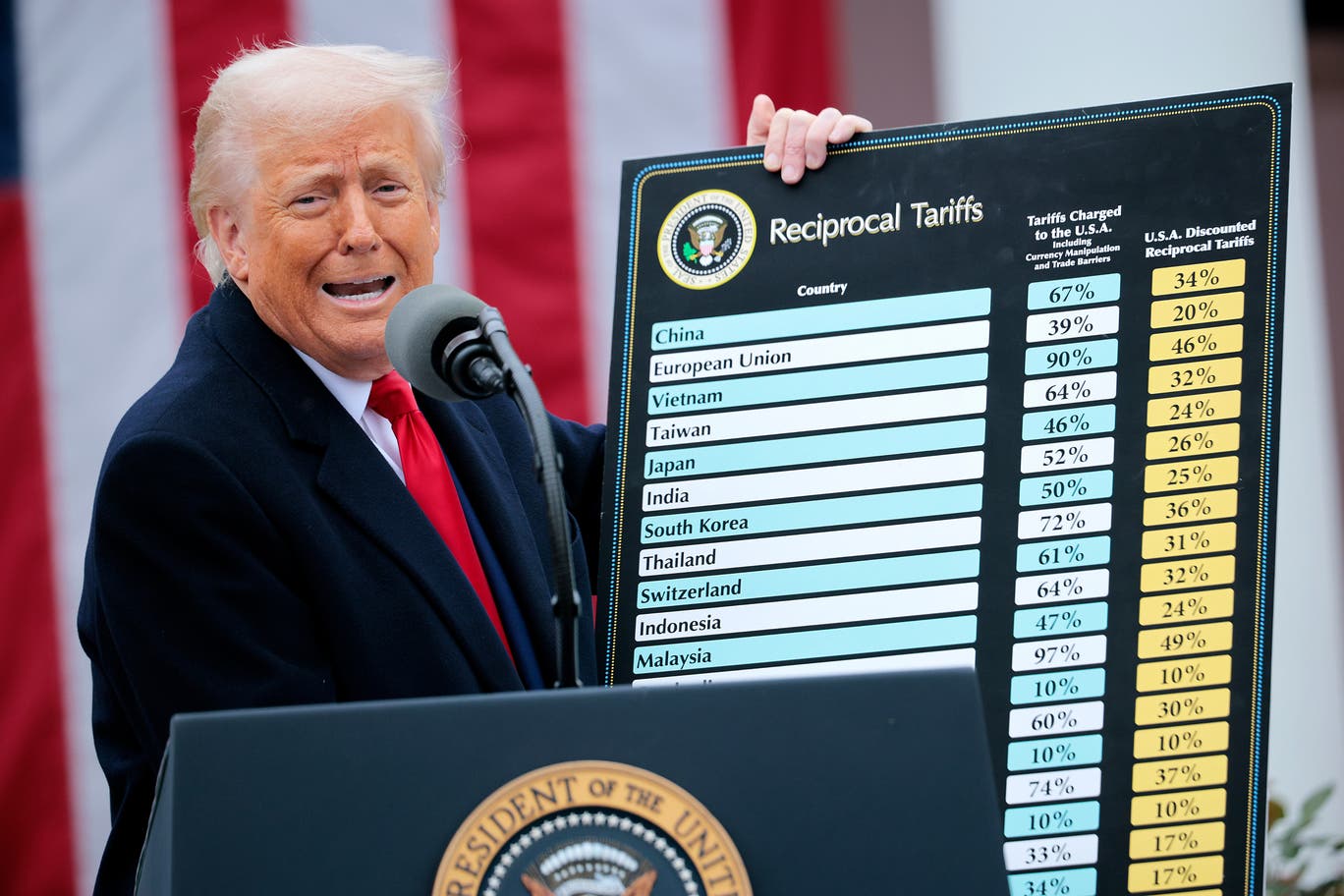
The Trump administration has announced a wave of new tariffs affecting goods from China, the European Union and a dozen other trading partners.
Chinese is hit the hardest by the proposed charges with an additional 20 percent tariff, which for some products will stack on top of other import taxes to reach a total rate of 45 percent.
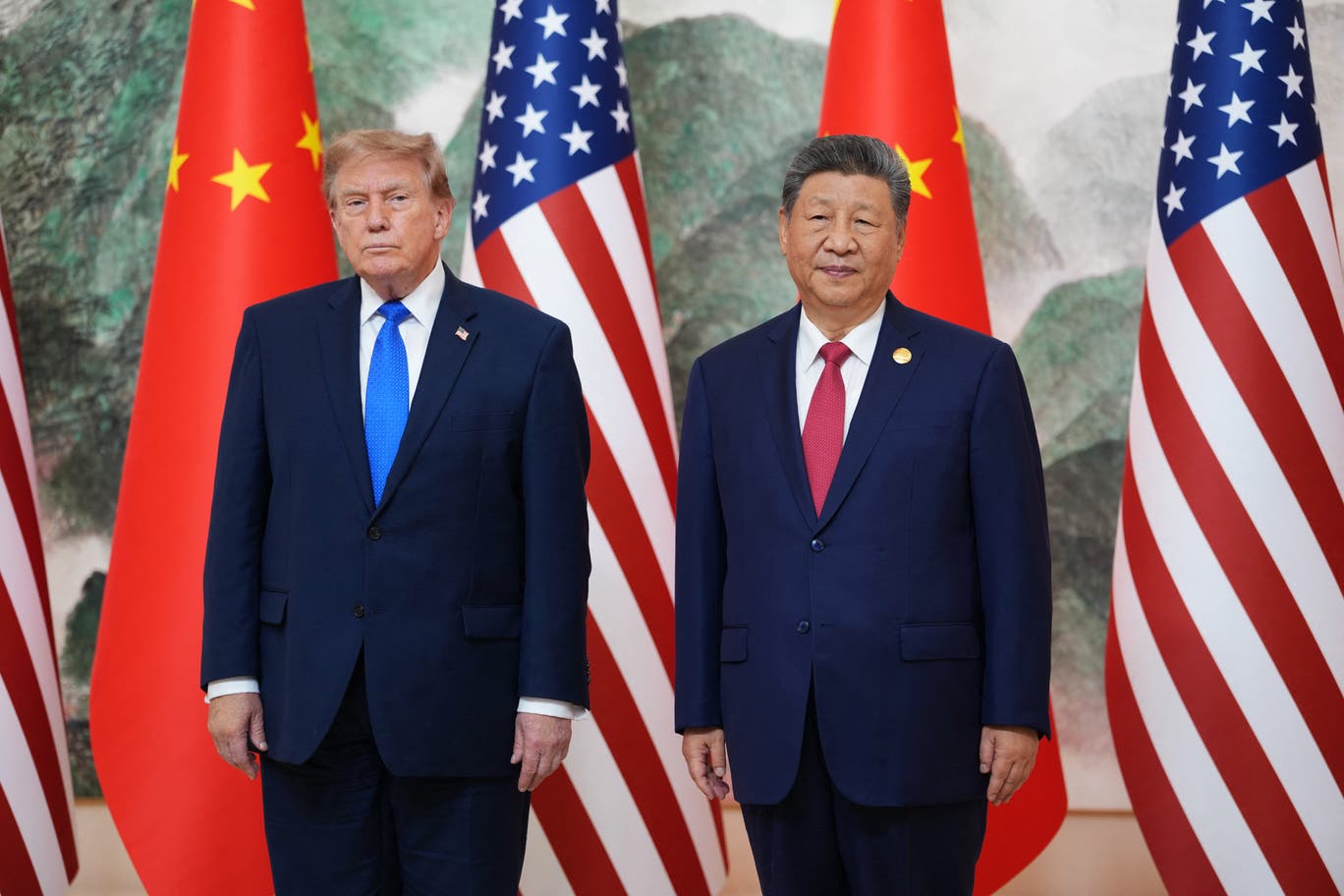
The measures were revealed in the early hours of Wednesday despite the Chinese president Xi Jinping rolling out the red carpet for President Donald Trump during his visit to Beijing last week. The duties
are not expected to come into effect until next year, the BBC reports.
Import taxes are also set to rise on products from the EU, Japan, South Korea, Taiwan and nine other major trading partners; Bangladesh, Cambodia, India, Indonesia, Malaysia, Singapore, Switzerland, Thailand and Vietnam.
The Republican administration argues those economies have helped spur an influx of lower-priced goods that undercut American companies.
About two-thirds of voters said Donald Trump’s policies had made the economy worse, according to The AP Voter Poll
It claims subsidies and other trade barriers in those countries put American manufacturers at a disadvantage, and that the new tariffs are meant to discourage excessive manufacturing output there.
The taxes are also intended to help replace tariff revenues lost after the Supreme Court ruled in February that Trump could not declare an economic emergency to bypass Congress and impose across-the-board tariffs. The president has promised the import taxes will bring back manufacturing jobs and reduce the federal deficit.
But tariffs imposed last year contributed to higher inflation, angering voters, and Democratic lawmakers responded by calling for congressional approval of future tariffs. Voters in this month’s midterm elections punished Republicans by handing Democrats majorities in the House and the Senate.
About two-thirds of voters said Trump’s policies had made the economy worse, according to The AP Voter Poll, a sweeping survey of the American electorate conducted in all 50 states. The administration argues the targeted countries have created a goods trade deficit that has recently exceeded $1 trillion annually.
The new tariffs have been announced despite the president’s recent visit to China to meet with Xi Jinping
The legal basis for the planned tariffs is Section 301 of the Trade Act of 1974, which enables the U.S. government to investigate and retaliate against foreign trade practices that violate existing deals, are not justified by market forces or actively discriminate against American goods.
A senior official detailed the plans to reporters on a late-night call on Tuesday, speaking on condition of anonymity because the reports had not yet been posted by the U.S. Trade Representative’s office.
The call came ahead of the release of a series of investigations into the trade practices of 12 countries, the 27-member EU and the self-governing island of Taiwan.
The official told reporters the new tariffs would be consistent with the trade deals Trump reached last year with dozens of countries after threatening severe tariff hikes. The official stressed that the tariffs were still in the proposal stage and did not provide firm timelines for possible implementation.
Brazil was singled out for extra punishment after talks on trade issues stalled, the official said. The U.S. is proposing higher import taxes for raw and refined sugar and a new 10 percent tariff on aircraft, a move that would hit Embraer, Brazil’s largest aircraft maker.
The U.S. and China reached a trade truce last year that expires on January 10. The new tariffs will not surprise Beijing and, the administration official said, are unlikely to undermine the truce.
Trump plans to host Chinese leader Xi next month at the Group of 20 summit in Florida, where the truce and issues over access to rare earth minerals and China’s purchases of American agricultural products could be discussed again. The official stressed that the tariffs target specific products.
They would not stack on top of separate tariffs on automobiles, steel, aluminum and other products that the administration has separately imposed under Section 232 of the Trade Expansion Act of 1962.
Nor will they stack on top of levies of 10 percent to 12.5 percent announced in July for 60 trading partners that the White House said have inadequately enforced bans on goods produced by forced labor.
Original source: https://www.independent.co.uk/news/world/americas/trump-tariffs-china-eu-trade-b3091487.html