
By Jamie Mcintyre
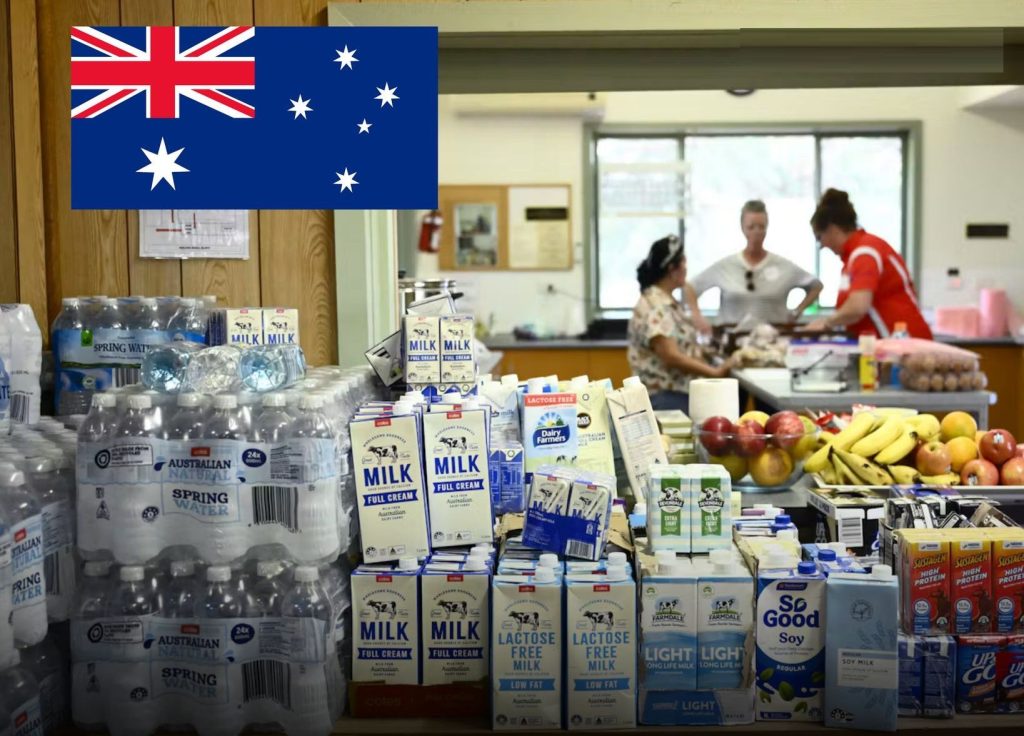
Several European countries have recently urged citizens to prepare emergency supplies, including food, water, medication and other essentials, amid growing concerns about geopolitical tensions, cyberattacks, power outages and potential disruptions to essential services.
Australia has also issued emergency preparedness recommendations, although these vary between states.
Current Australian recommendations include:
New South Wales: Prepare up to 14 days of emergency food, water and essential supplies.
Queensland: Maintain at least three days of emergency supplies.
Victoria: Keep several days of essential supplies available.
Federal Government: No single nationwide household stockpiling requirement has been introduced.
The difference is that European governments have increasingly linked emergency preparedness to potential military conflict, particularly involving Russia, as well as cyberattacks and disruptions to critical infrastructure.
Australian authorities continue to frame their recommendations primarily around natural disasters, including bushfires, floods, cyclones and prolonged interruptions to essential services.
Australia is also expanding its National Emergency Management Stockpile, including emergency power, drinking-water and shelter capabilities.
The bigger question is why so many governments are increasingly encouraging citizens to prepare for extended disruptions to everyday life.
Does this reflect routine emergency planning, or are governments becoming increasingly concerned about geopolitical instability, potential military conflict and the vulnerability of global supply chains?
While emergency preparedness warnings do not necessarily indicate an imminent crisis, the growing emphasis on household resilience is worth paying attention to.
The practical message is simple: having sufficient food, drinking water, medication, cash and essential supplies to remain self-sufficient for at least several days, and potentially up to two weeks, is increasingly being encouraged by government authorities.
Source: SBS News, 31 October 2026, and Australian state government emergency preparedness guidance.
Original source: https://x.com/jamiemcintyre21/status/2116836298191519793